
15 February 2026 · 6 min read
Harvest season in the Cape Winelands: where to soak after a day in the vines
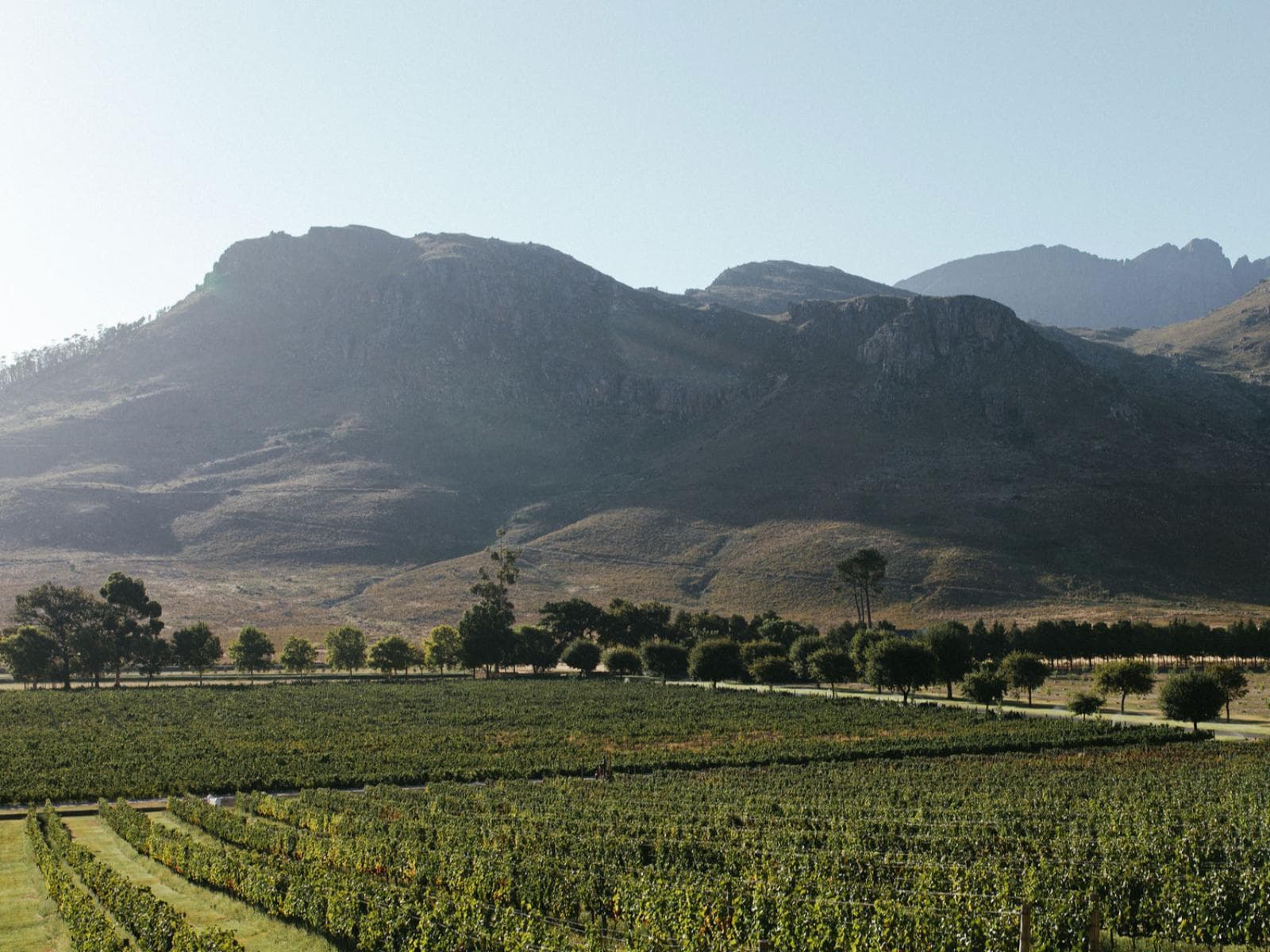
There is a short stretch of the year when the Cape Winelands stop posing for postcards and start working. Roughly February to April, the vines hang heavy, the cellars run late and the whole valley smells faintly of crushed fruit and warm oak. Harvest is the one season when wine country lets you watch it happen rather than just sip the result. The catch is that days spent among the rows, on your feet on a cellar floor or barefoot in a stomping bin, leave you pleasantly wrecked. Which is exactly why the best harvest plan ends each evening the same way: in a wood-fired tub, with a glass of the thing you watched being made, the heat doing the work your legs no longer can.
What harvest actually looks like on the ground
Harvest is not a spectator sport you watch from a tasting-room window. It starts early, often before the heat builds, when pickers move down the rows and the first bins of grapes come in cool. By mid-morning you can follow the fruit into the cellar, where it is sorted, crushed and pressed and the air turns thick and sweet. Many estates open their doors more generously during these weeks, with cellar tours that end at the barrels rather than the counter. A barrel tasting is the real education here: you draw young, unfinished wine straight from the oak, taste the same cultivar at different stages and start to understand why one barrel sings and the one beside it sulks. Some farms still run grape-stomping for visitors, which is messier and more fun than it sounds and a fine way to earn your soak. Plan on three estates a day at most. The point of harvest is to slow down and watch, not to collect tasting notes like stamps.
Basing yourself in the Franschhoek Valley
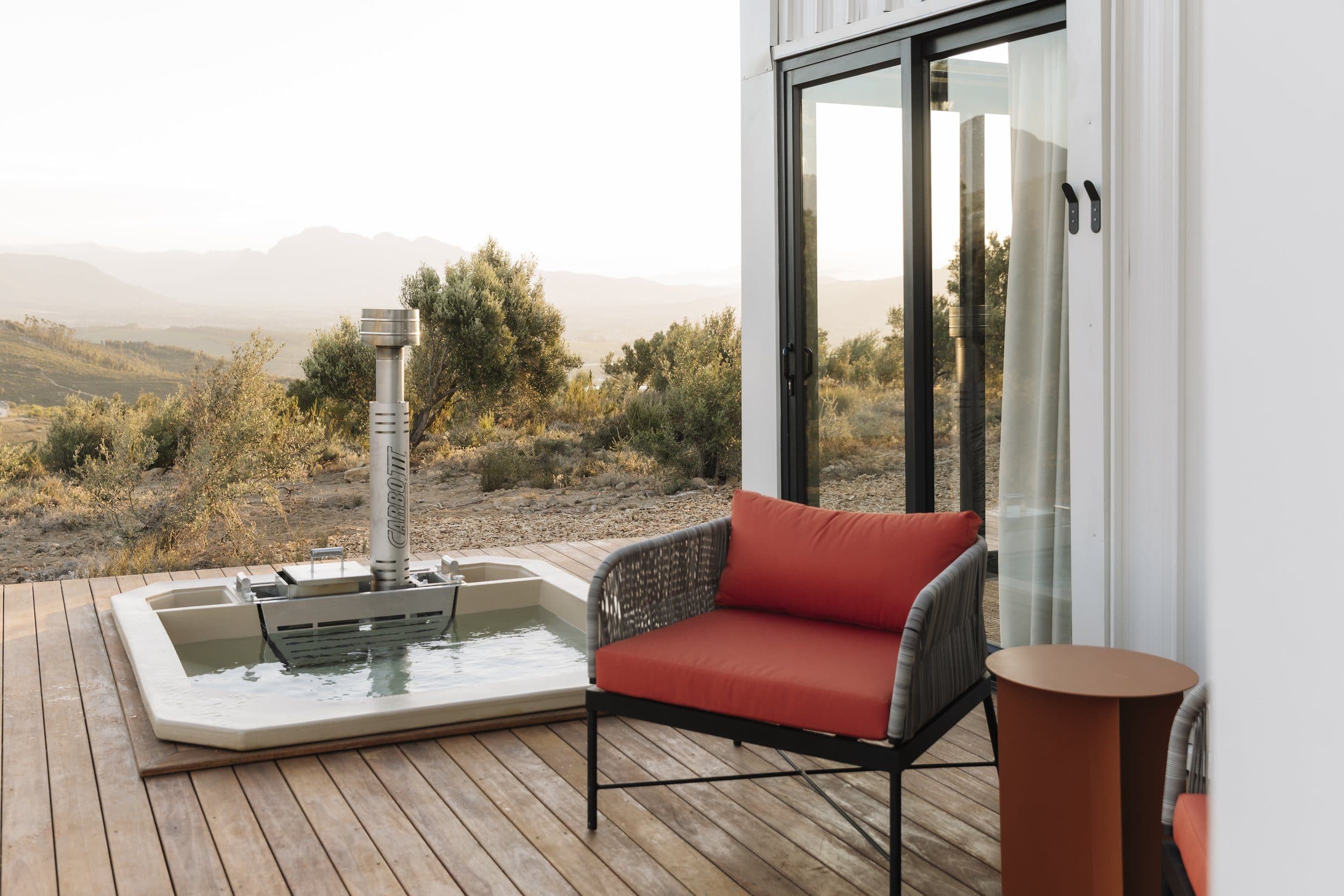
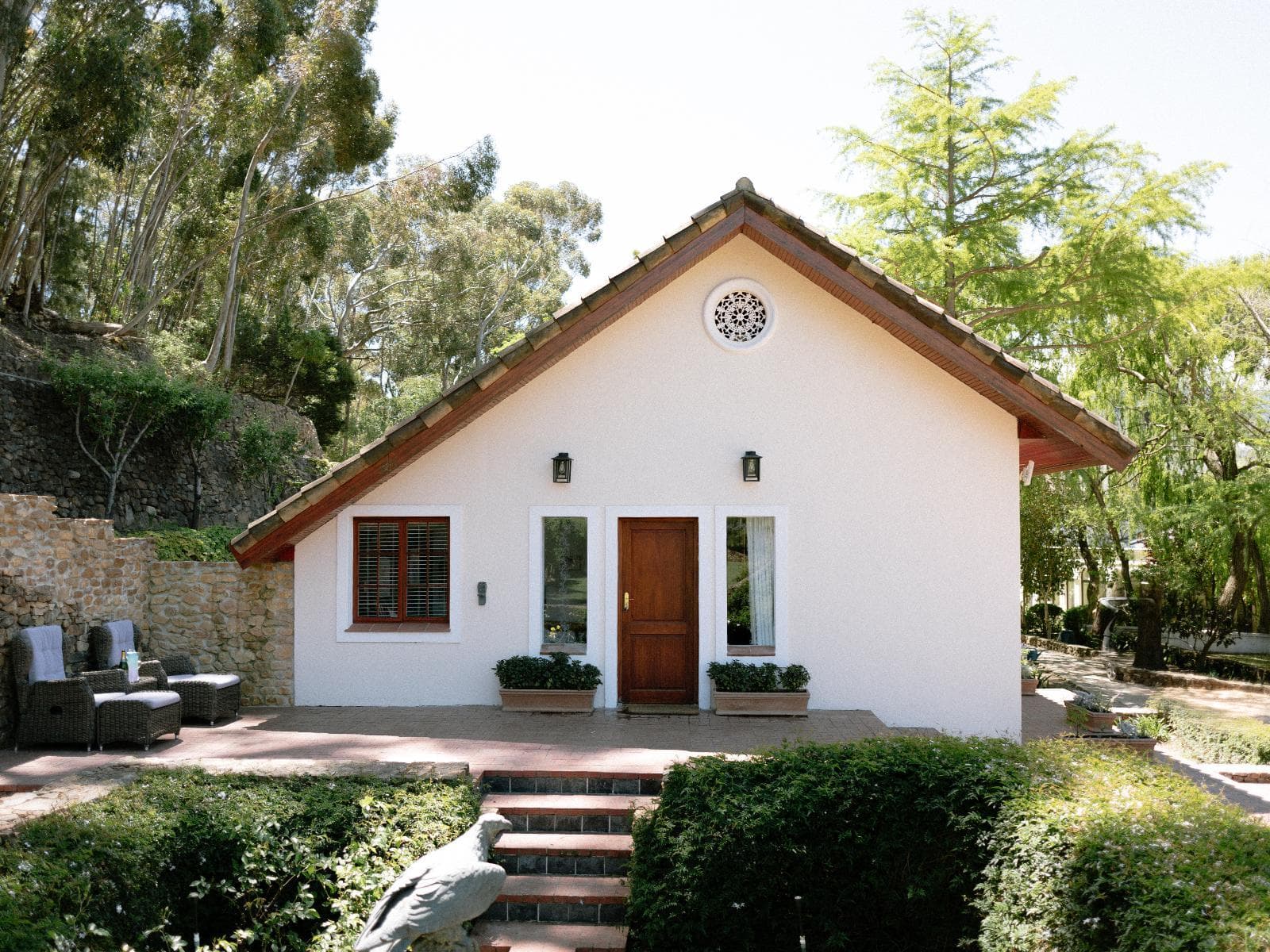
Franschhoek is the obvious place to begin, and for good reason: the valley is small, the wine farms are close together and you can spend a full day on the vines without driving far between them. Two stays here put you quite literally over the fruit. Luxury Pinot Noir Suite 1 is a luxury two-sleeper cottage set over the Pinot Noir vineyard in the Franschhoek Valley, with a hot tub, so the view from the water is the same view the pickers worked that morning. Its neighbour, Chardonnay Suite, is also a luxury two-sleeper cottage over the Pinot Noir vineyard in the Franschhoek Valley, with a hot tub and just as well placed for the long soak after a long day. If you want something more compact and central, Gite Studio Franschhoek is a two-sleeper studio in Franschhoek with a private hot tub, a tidy base within easy reach of the village restaurants and the surrounding estates. All three are built for two, which suits harvest perfectly: this is a season for couples who want to taste hard, eat well and turn in early.
A quieter angle from Wellington and Tulbagh
Franschhoek gets the crowds, so it pays to know that the wine country reaches further. Wellington, a short hop over the back roads, is workmanlike and unpretentious, a town of serious cellars and fewer tour buses and it makes a calmer harvest base. The Hemingway Untether Luxury Pod is a two-sleeper pod in Wellington with a private sunken hot tub, and a sunken tub is a particular pleasure after a day on your feet: you step down into the heat rather than climbing in and the valley settles around you as the fire warms the water. Push a little further north and Tulbagh rewards the detour, a quiet dorp ringed by mountains and old Cape Dutch facades, with cellars that feel like a secret kept from the main wine route. Between the three towns you have a harvest worth a few days: vines and barrels by day, then the slow business of a wood-fired tub coming up to heat while the light goes.
Making the soak the whole point
The reason a wood-fired tub belongs in a harvest trip is timing. These tubs are not switch-on, switch-off conveniences; you light the fire, feed it and wait while the water climbs, which is precisely the ritual you want when you have nowhere else to be. Get the fire going when you return from the last estate, pour something young and unfiltered and by the time the stars are out the water is right. Carry a bottle from the day's tasting rather than buying ahead, so the soak doubles as a debrief on what you learned. Book early: harvest is short, the valley fills and the two-sleeper stays go first. Whichever town you choose to base in, the shape of the day stays the same. Spend it among the vines, and let the night belong to the tub.