
14 June 2026 · 6 min read
A mini guide to Prince Albert: the Swartberg Pass, olive farms and a Karoo soak
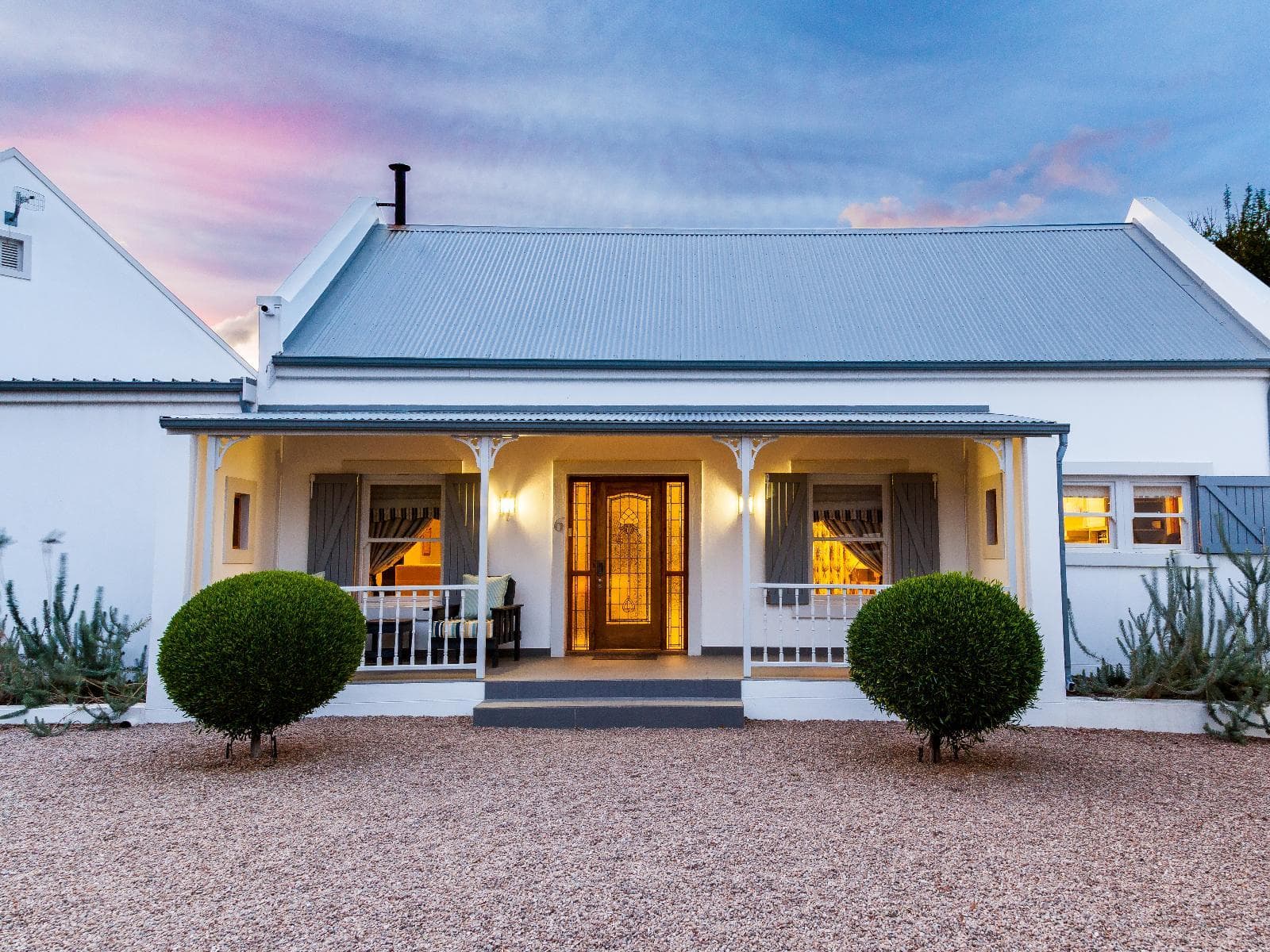
Some towns make you work for the reward. Prince Albert hands it over the moment you arrive. A small Karoo dorp tucked against the foot of the Swartberg, it runs on big-sky days and clear, cold nights, on the rhythm of olive farms and the slow click of a wood-fired tub coming up to heat. You come for the pass and the museum and the galleries, but you stay for the hush and for the soak waiting at the end of it.
Drive the Swartberg Pass
The Swartberg Pass is the reason most people first point a car at Prince Albert, and it lives up to every story you have heard. The gravel road climbs out of the dorp in tight, dry-stone switchbacks, hand-built more than a century ago and barely changed since. You gain height fast, the rock walls turning from ochre to deep grey, until the whole Karoo unrolls behind you in folds of brown and gold. Take it slowly, in a vehicle with a bit of clearance and check the road status before you set off, because rain and snow can close it. At the top there is nothing to do but stop, stand in the wind and feel very small. By the time you wind back down, a heated pool and a hot tub sound less like a luxury and more like the only sensible end to the day, which is exactly what you get at Karoo View Masterclass, a three-bedroom house with a wood-fired tub and views back toward the mountains you just drove.
Olive farms, figs and a slow lunch
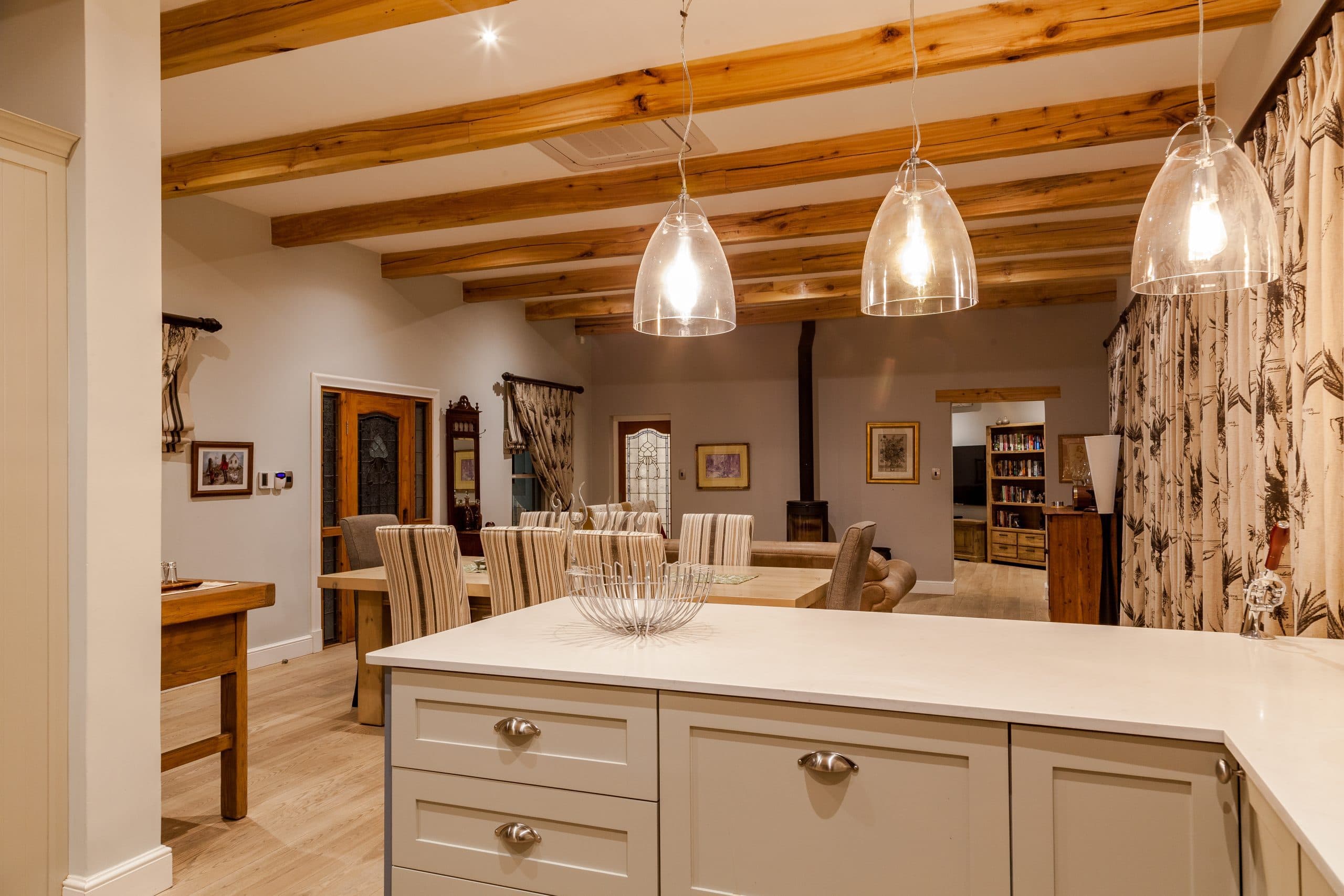
Down on the valley floor, Prince Albert grows what the Karoo light and the mountain water allow: olives and figs, mostly and they are very good at both. Several farms along the edge of town open their doors for tastings, where you can work through green and black olives, tapenades, oils pressed on site and the famous Prince Albert figs turned into preserves and rolls. It is the kind of unhurried morning the town does best, a wooden board, a bit of bread and someone happy to tell you which tree the oil came from. Buy more than you mean to, because it keeps and a jar of olives is a fine thing to open later on the stoep. If you are travelling as a smaller group, Kanon Cottage at Karoo View makes an easy base for this sort of day, a four-sleeper cottage with a heated pool and its own wood-fired hot tub for when the afternoon heat finally lifts.
Church Street, galleries and the museum
The heart of Prince Albert is Church Street, a long, straight run of whitewashed Karoo cottages, working water furrows and pepper trees that throw welcome shade. Wander it on foot and you will pass small galleries showing local painters and ceramicists, a handful of good cafes and the occasional craft shop that is worth the detour. Make time for the Fransie Pienaar Museum, a generous, slightly rambling collection that tells the story of the district through everything from fossils and farm tools to old photographs and household oddities. It is the quickest way to understand why the town sits exactly where it does, and why people have stayed. For a quiet retreat after a day of pottering, Karoo View Cottages offer Karoo-style cottages each with a wood-fired hot tub and Swartberg views, the mountains close enough to feel like part of the room.
Dark skies and a wood-fired soak
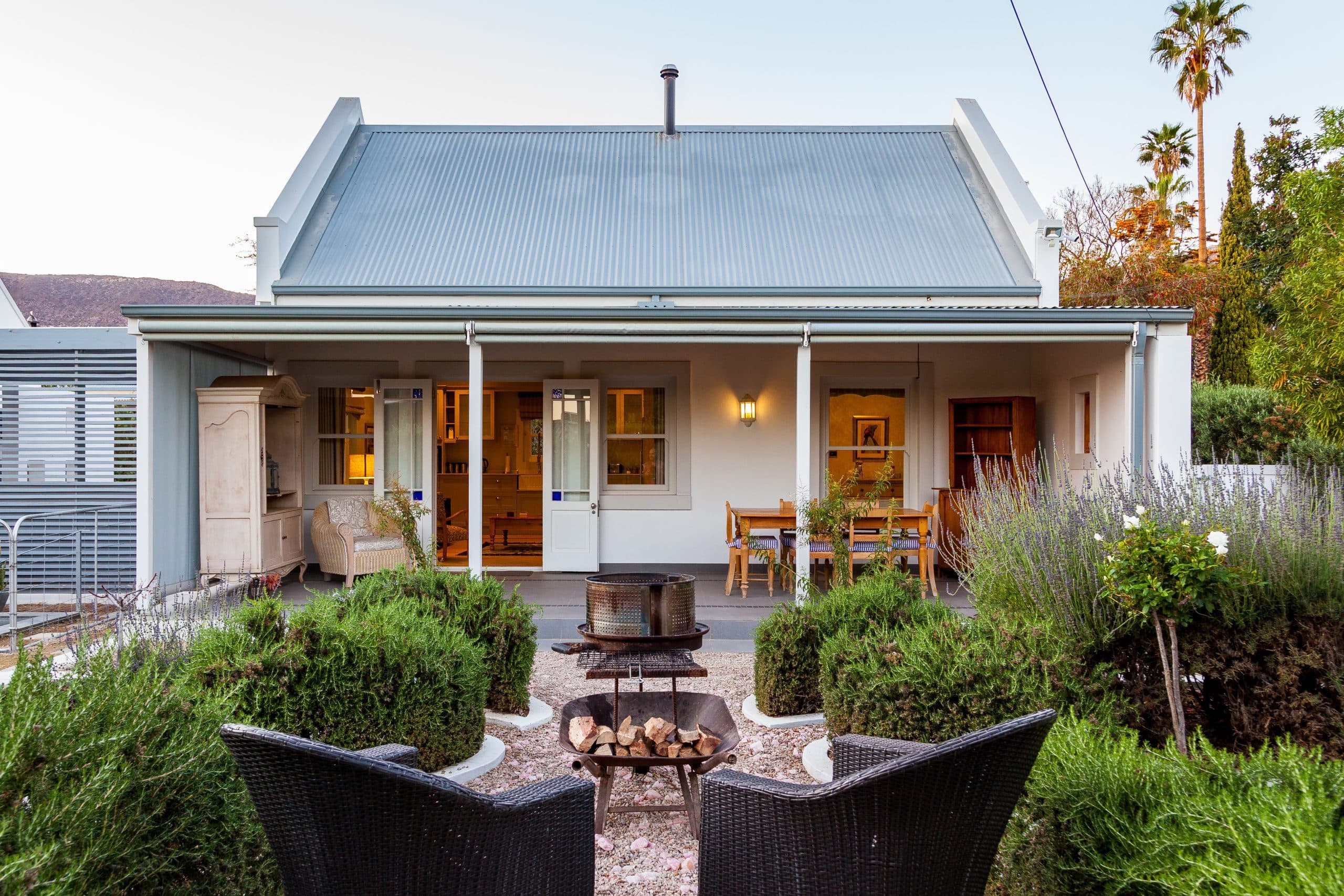
What truly sets Prince Albert apart only shows itself after dark. With almost no light pollution for kilometres in any direction, the night sky here is exceptional, the Milky Way arching clear and bright over the dorp while the day's heat drains out of the earth. This is the moment the wood-fired tub earns its keep. You feed the fire while the sun drops, let the water climb as the stars come out, then settle in with the cold Karoo air on your face and steam rising around you. Striata Cottage at Karoo View is built for exactly this, a four-sleeper cottage with a heated pool and a wood-fired hot tub, the kind of spot where you lose an hour to the sky without noticing. Big-sky days, clear cold nights and a tub coming slowly to heat: that, in the end, is the whole point of Prince Albert.